A process audit is like a confession.
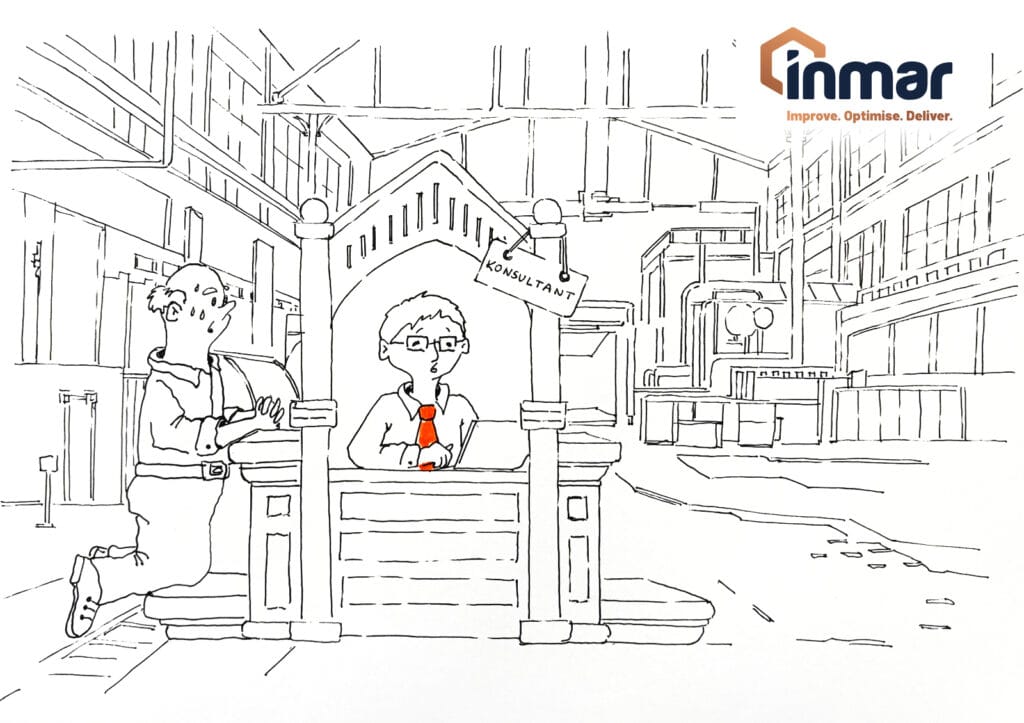
A few weeks ago, a new hire at my company reviewed our processes. A senior position, a fresh perspective. A small consulting firm – there aren’t any particularly complex issues here. And yet, I felt uncomfortable. Subconsciously, I wanted to leave some facts unsaid, others to embellish. I talked about how I wanted things to be, not how they were. And the whole time, I couldn’t shake the feeling that I was being judged. And yet, no one had any bad intentions! And then I realized – this is exactly how my client feels when I walk into their company with an audit and start asking questions.
Every CEO or production director who brings in a consultant is confronted with a completely new situation. They’re asked about issues that aren’t normally discussed. They have to talk about processes that “just work.” About decisions they wouldn’t make today. About workarounds in the system that everyone knows about, but no one wants to correct.
This desire to appear in a slightly better light isn’t weakness; it’s a normal human reaction to judgment.
The problem begins when the consultant, in the heat of the moment, forgets this. They come with a methodology, a list of questions, and they probe and probe. They want to know everything, and they want to know it quickly.
And that’s when the client stops being honest. They’re not lying. They simply start describing the version of reality they want to present. And often, they believe it themselves during the conversation. The consultant gets a good picture and draws conclusions based on that. This is a fundamental mistake in many audits.
A good audit isn’t about extracting information through questioning. It’s about developing terms of cooperation in which the client is willing to speak up. To achieve this, however, one condition must be met. The client must not feel judged or judged. They must believe in the sincere desire to help.
Before you ask, “Why are you doing this?”, say, “I understand it wasn’t easy.” Before you evaluate the process, ask what you wanted to achieve when you introduced it.
And if someone shut down a topic, don’t push it. Trust builds slowly. Honesty in business takes even longer.
An audit isn’t an interrogation. It’s a conversation in which one participant confesses their decisions. And it’s the consultant’s responsibility to ensure this conversation is open and safe.
I learned this from sitting on the other side. I recommend this experience to every consultant.Marek Karch — CEO of INMAR, SAP consultant in manufacturing